
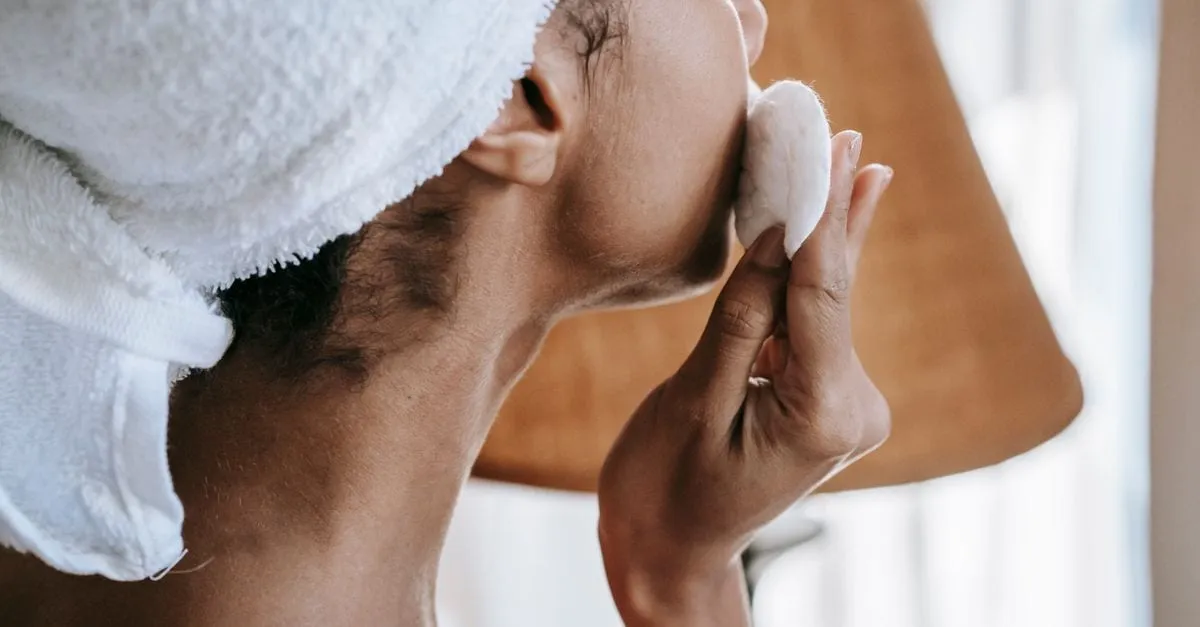
Cancer treatment asks a great deal of the body, and skin often feels it. It can turn drier, more sensitive, a little tender or quick to react. At a time when so much feels out of your hands, looking after your skin can be one small, soothing thing that is still yours to choose. The kindest approach is also the simplest one: be gentle.
The reassuring part is that the trusted voices all say the same gentle thing. Read Macmillan, Cancer Research UK, or the guidance used across the NHS, from NICE to cancer centres like The Christie and The Clatterbridge, and the message rhymes from one to the next. Keep it soft, keep it simple, and let your own medical team lead. Here is that shared wisdom, gathered together with a little warmth.
The gentle through-line
When it comes to washing, Macmillan Cancer Support suggests you “wash with lukewarm water using mild, unperfumed, soap-free cleansers”, and “pat your skin dry instead of rubbing it”. Cancer Research UK echoes it almost word for word, advising you to “wash your skin gently with soap and water and gently pat dry”, and not to “rub the area too hard because this makes it sore”.
Moisturising comes up just as often. Macmillan suggests you “moisturise your skin regularly. This will keep it supple and less likely to become dry and itchy”, reaching for unperfumed lotions or creams soon after washing. Then there is the sun. Some treatments leave skin more sensitive to sunlight, so Macmillan suggests covering up and using “a suncream with a sun protection factor (SPF) of at least 50”.
A few gentle habits the guidance shares
Across these trusted sources, the same soft suggestions appear again and again:
- Wash with lukewarm water and a mild, unperfumed cleanser, rather than hot water and heavily scented soaps.
- Pat your skin dry with a soft towel instead of rubbing.
- Moisturise often with a simple, unperfumed cream to ease dryness and itching.
- Protect your skin from the sun, with shade, loose cover and a high SPF.
- Keep nails short and filed, and choose loose clothing in natural fibres like cotton.
The Clatterbridge Cancer Centre adds that, during radiotherapy, it can help to pause your usual toiletries on the treated area, things like perfume, make-up and shower gel, until treatment has finished. Small, kind adjustments, nothing complicated.
Your medical team always comes first
Here is the most important line in all of it. This is general, gentle information, not medical advice, and your own team knows your situation best. As Cancer Research UK puts it plainly, “advice about skin care varies from one hospital to another. It is best to follow the instructions of your radiographers and doctor”. If anything here differs from what your nurses or doctors have told you, please follow them, not this page.
For the days when you need more than skincare, a warm place to talk things through can matter just as much. Maggie’s centres offer free practical and emotional support to anyone affected by cancer, and they are a lovely place to lean on.
How this gentleness lives in the treatment room
The same care shapes how Hannah works. She trained in oncology touch therapy with Jennifer Young and with the team at The Christie, so that gentle, adapted touch can be offered safely to people living with and beyond a cancer diagnosis. You can read more about Hannah and her training, and about oncology touch therapy itself.
In practice that means slower, lighter sessions, a gentle conversation first, and everything shaped around how you are feeling on the day. Nothing is ever used on your skin without care and your say-so, and you can pause or change anything at any moment. If you would like to understand the spirit of it before booking, the companion piece on supportive, gentle touch through cancer talks it through.
Gentle, on your terms
Looking after your skin through treatment does not need to be one more demanding task. A little warmth, a simple routine, and the steady advice of your medical team go a long way. If and when you would like some calm, restorative time for yourself, you are very welcome here.
If you would like to talk it through first, please get in touch, there is no rush and no pressure. When you feel ready, you can book gently on Fresha.